Environmental Justice
Earth Day is celebrated annually on April 22 to promote environmental protection and awareness.
Earth Day began on April 22, 1970, organized by U.S. Senator Gaylord Nelson and activist Denis Hayes. The first event involved 20 million Americans in educational, protest, and clean-up activities, marking the largest single-day protest in U.S. history.
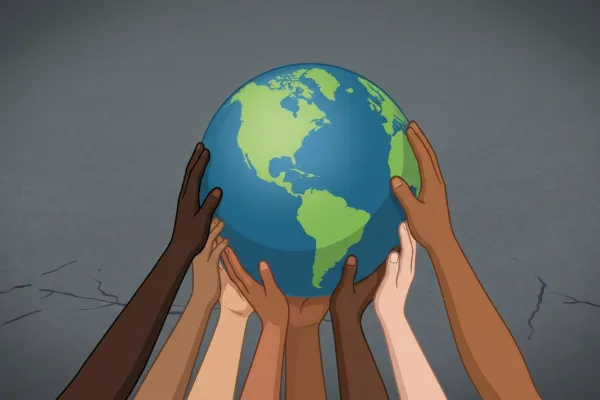
Earth Day 2026 is an occasion to recognize and appreciate the Earth, including its soil, water, trees, and all aspects of nature connected to our planet. Forests, woodlands, oceans, and land are valuable resources, and it is important to work towards restoring their integrity by adopting conscious and proactive measures to prevent pollution.
I have included below some thought-provoking statistics that impact our natural resources, especially water.
Below is information regarding plastic waste, cited from oceanblueproject.org:
·Between 15 and 199 million tons of plastic waste enter our environment annually.
Globally, 400 million tons of plastic are produced each year.
Of this, 8–11 tons are designated for single-use purposes.
Approximately 80% of ocean pollution originates from land-based sources, such as plastic.
Did you know that 85% of marine waste is plastic? Only 9% of plastic waste is recycled. 80% of ocean pollution originates from land-based sources. Also over 800
According to researchers from Weill Cornell Medicine in Qatar, approximately 2 billion individuals globally rely on bottled water due to insufficient access to safe drinking sources; however, for most consumers, its use is driven by convenience. This trend has been influenced by marketing campaigns portraying bottled water as safer and healthier than tap water—claims which the researchers suggest are misleading.
The authors highlight that up to two-thirds of bottled water in the United States is essentially repackaged tap water, and recent investigations have identified carcinogenic chemicals in bottled water within the San Francisco Bay Area.
Contaminants present in plastic bottles and substantial greenhouse gas emissions are among the concerns raised by health professionals. Lead author Amit Abraham informed Newsweek that, "The widespread consumption of bottled water significantly contributes to pollution, exposes individuals to potentially hazardous contaminants, and exacerbates greenhouse gas emissions."
Harmful chemicals such as bisphenol A (BPA) and phthalates may leach from plastic bottles into the water, especially when stored under sunlight or elevated temperatures for prolonged periods, according to the researchers. Studies have detected contaminants, including microplastics, in up to 78 percent of bottled water samples.
Microplastic contamination has been associated with a range of health issues, including oxidative stress, immune system disruption, and changes in blood fat levels. Exposure to BPA, a chemical commonly found in plastics, has been linked to long-term health risks such as high blood pressure, cardiovascular disease, diabetes, and obesity.
"While there are short-term safety thresholds, the long-term effects of these contaminants remain largely unknown," the authors wrote, adding that microplastics can also enter the food chain through bottled water consumption.
In addition to health risks, the environmental toll of bottled water is immense. Plastic bottles account for 12 percent of ocean plastic pollution, making them the second most common plastic waste item found in the sea.
Only 9 percent of these bottles are recycled, with most ending up in landfills, incinerators, or being shipped to low- and middle-income countries, raising ethical concerns about global waste management and social justice.
"It tends to be lower-income communities that bear the brunt of plastic waste and pollution, and in general, the consumption of these plastic water bottles comes from more affluent sections of society," Abraham said. "So often the people who are contributing to the problem do not necessarily suffer the most from the impacts of that problem."
Even the process of making the bottles is damaging, with raw material extraction and manufacturing significantly contributing to greenhouse gas emissions. Water itself is needed too—between 17 and 35 liters for each bottle.
Efforts to reduce bottled water use have been implemented in some areas, including initiatives to increase access to drinking water in public spaces and limit single-use plastics. However, the researchers argue that much more needs to be done to curb reliance on bottled water.
They call for robust government interventions and educational campaigns to shift public perception.
Let's take care of the planet and do a better job of protecting our planet.
Please notice the link below for more information:
Drinking Water Contaminants Exposure and Health Risks Research | US EPA